
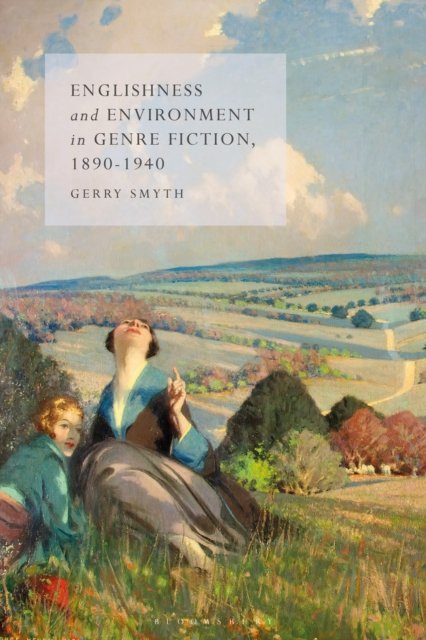
Englishness and Environment in Genre Fiction, 1890-1940
€ 38,90
Informação do Produto
| ISBN | 9781350412477 |
|---|---|
| Autores | Professor Gerry Smyth |
| Editora | Bloomsbury Publishing PLC |
| Formato | Capa mole |
| Número de páginas | 256 |
| Peso (kg) | 0,292 |
| Data de Publicação | 25/06/2026 |
| Preço (iva excl.) | € 36,70 |
| Imposto | € 2,20 |
| Preço (iva inc.) | € 38,90 |
| Disponibilidade | 3 unidades em armazém externo |
Descrição do Produto
In this moment of growing anxiety about the environment and the fate of humanity, literature continues its vital role of articulating dynamic new ways of thinking about the relations between humanity, environment and technology. In this book, cultural historian Gerry Smyth focuses on English genre fiction of the late 19th and early 20th centuries, exploring the ways in which popular novelists of the period engaged with debates relating to environment (England), culture (English language and literature) and identity (Englishness). In sixteen case studies, the author covers examples of fantasy, science fiction, murder mystery and children’s stories in order to trace the prehistory of modern environmentalism, especially as experienced in a key 50-year period running up to the start of the Second World War. Environment and Genre Fiction, 1890-1940 offers new approaches to a variety of well-loved English novels, seeking and describing an unlikely but important alternative genealogy for both modern English literature and modern ecocriticism. Case studies include The Island of Dr Moreau, Heart of Darkness, The Wind in the Willows, Cold Comfort Farm, Brave New World and The Hobbit. In these and other popular novels Smyth examines themes such as evolution, industrialisation, the growth of technology, Britain’s fading imperial status, assaults on traditional discourses of class, gender and sexuality, animal rights, artificial intelligence and war. The central focus is on the ways in which popular genre authors responded to a variety of changes that were overtaking the idea of England itself during this period. Accessible and innovative, this book reconfigures modern English literary history from an environmental perspective, insisting that questions of environment were always already embedded in the field of modern cultural debate.