
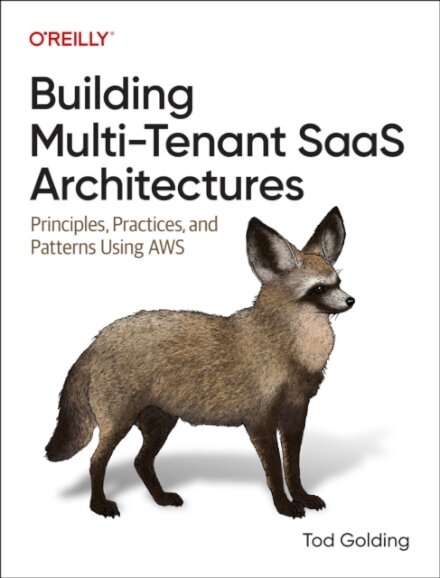
Building Multi-Tenant Saas Architectures
€ 84,90
Informação do Produto
| ISBN | 9781098140649 |
|---|---|
| Autores | Tod Golding |
| Editora | O'Reilly Media |
| Formato | Capa mole |
| Número de páginas | 425 |
| Peso (kg) | 0,830 |
| Data de Publicação | 07/05/2024 |
| Preço (iva excl.) | € 80,09 |
| Imposto | € 4,81 |
| Preço (iva inc.) | € 84,90 |
| Disponibilidade | 2 unidades em armazém externo |
Descrição do Produto
Software as a service (SaaS) is on the path to becoming the de facto model for building, delivering, and operating software solutions. Adopting the multi-tenant model of SaaS requires builders to take on a broad range of new architecture, implementation, and operational challenges. How data is stored, how resources are isolated, how tenants are authenticated, how microservices are built-these are all examples of areas that builders must consider when designing and creating SaaS offerings. This practical book equips SaaS builders and architects with a collection of patterns, strategies, and insights to help you bridge these technical and business challenges. Tod Golding, a global SaaS lead at AWS, provides you with an end-to-end view of SaaS architecture and development techniques for addressing the unique blend of challenges associated with building a robust SaaS solution that realizes its full potential. Develop a clear view of the landscape of SaaS architecture patterns and strategiesWalk through all the moving parts of the SaaS environment, identifying the trade-offs and considerations that will influence the footprint of your multi-tenant solutionExamine multi-tenant constructs through the lens of real-world SaaS solutionsGo inside multi-tenant microservices, exploring strategies and techniques that are used to reduce developer complexity and hide away the details of tenancyIdentify design and architecture strategies that allow teams to support a range of workloads and tenant experiencesLearn foundational principles for building robust multi-tenant SaaS offeringsLearn the inner workings of SaaS architecture patterns, including tenant isolation, noisy neighbor, tiering, onboarding, identity, and data partitioning